Available from 1 July 2026 · Stuttgart · open to Berlin & Munich

I turn complex enterprise workflows into products people actually want to use.

Technical Product Manager — 4+ years owning enterprise software platforms at Mercedes-Benz. Guided workflow UX, enterprise APIs and AI product strategy for 150+ users across 5 countries.

4enterprise platforms owned end-to-end
150+users across Germany, India, USA, China, Japan
−50%process turnaround time
+25%faster time-to-market for SW releases
Case studies

Selected work at Mercedes-Benz

Technical Product Owner for Mercedes passenger car and AMG programmes (2022–2026), coordinating OEM and Tier-1 supplier teams including Bosch, IAV and Schaeffler.

Product discovery → Guided UX

From five disconnected sources to one guided workflow

Problem

SW component engineers navigated complex rule sets, multi-stakeholder approval chains and data scattered across disconnected systems — causing duplicated work and costly documentation errors on series vehicle programmes.

What I did

Ran continuous discovery: stakeholder workshops, user interviews, engineering shadowing and ticket analysis. Translated findings into information architecture, wireframes and validated prototypes — then a single guided UI with contextual controls, part number trees and approval signature flows.

Why it worked

Users saw exactly what they needed at each workflow step. Manual error sources were eliminated by design, freeing engineers to focus on decisions instead of error prevention.

−50%process turnaround time
+25%faster SW delivery workflows
150+engineers, doc specialists & approval managers onboarded
AI product strategy

Shipping AI into a compliance-heavy engineering process

Problem

Release readiness and compliance checking depended on experts manually cross-referencing SW metadata, part numbers, test results, approval signatures and country-specific regulations.

What I did

Owned product strategy for AI use cases: defined the data structures, capture logic and frontend experience for automated compliance checking and predictive release readiness via chatbot — built on clean, traceable structured attributes.

Why it worked

AI features were built on a data foundation designed for them, not bolted on. Data quality and traceability work came first, making the AI outputs trustworthy enough for release decisions.

6+API sources (REST & Kafka) integrated
7connected systems feeding one data foundation
Delivery at scale

Predictable releases across 4 platforms and 5 countries

Problem

Four platforms, 1,600+ annual requests, 20+ electronic control units and cross-functional teams spanning engineering, operations, business and suppliers — with compliance deadlines that don't move.

What I did

Led the full delivery cycle in SAFe: 16 sprints per year across 4 PI planning cycles, outcome-based roadmaps, WSJF prioritisation, and compliance requirements translated into actionable backlogs.

Why it worked

Clear prioritisation plus predictable quarterly releases built trust with stakeholders in five countries — and reduced rework and delivery delays measurably.

16sprints delivered per year
1,600+annual backlog requests managed
5countries of stakeholders aligned
Impact at a glance

The numbers behind the work

MetricNumberContext
Process turnaround50% reductionCore platform, SW integration release cycle
Time-to-market25% faster deliverySW releases on Mercedes passenger car & AMG programmes
User base150+ active usersAcross 5 countries: Germany, India, USA, China, Japan
Platform scope4 enterprise platformsOwned end-to-end — discovery to adoption
ECU coverage20+ Electronic Control UnitsBreadth of automotive SW scope
API integrations6+ sources (REST & Kafka)Foundation for Mercedes AI platform
Systems connected7 systemsData quality and traceability backbone
Annual throughput1,000+ / 600+ requestsBacklog scale managed per year (primary / secondary platforms)
Delivery cadence16 sprints / yearAcross 4 SAFe PI Planning cycles
Tier-1 suppliersBosch, IAV, SchaefflerOnboarding and adoption across OEM + supplier teams
UI/UX practice

Design is how I de-risk product decisions

I'm a PM who works hands-on from research to pixels. Every workflow I've shipped went through this loop — usually more than once.

01 — DISCOVER

Watch real work

User interviews, engineering shadowing and ticket-data analysis — finding the friction users have stopped noticing.

02 — DEFINE

Frame the job

Jobs-to-be-Done, opportunity solution trees and user story mapping turn observations into problems worth solving.

03 — STRUCTURE

Architect the flow

Information architecture and role-based journeys: each user sees exactly what their step needs — nothing else.

04 — PROTOTYPE

Make it tangible

Wireframes to validated prototypes, tested with the people who'll live in the tool eight hours a day.

05 — MEASURE

Prove it worked

HEART metrics, usability testing and adoption tracking — design quality shows up in the numbers or it didn't happen.

Cognitive load reduction Guided workflow UX Role-based & contextual design Design Thinking Continuous Discovery HEART framework Accessibility & interaction patterns Usability research & validation
Employment reference

What my employer says

“Thanks to his outstanding conceptual, creative and logical thinking, he finds and implements exceptionally effective solutions to any problems that arise, and consistently achieves excellent results.”

From the official interim employment reference (Zwischenzeugnis) for my Mercedes-Benz engagement, issued by Hays Professional Solutions GmbH — translated from German. The original carries the highest grading in German reference convention (“stets zu unserer vollsten Zufriedenheit”).

“Impresses us to an exceptional degree with his outstanding drive and his extraordinary willingness to take on additional responsibility … equal to even the heaviest workload at all times, calm and focused on objectives.”
“His conduct towards superiors, colleagues and customers is at all times impeccable and exemplary.”
“Owing to his extremely quick grasp of new subjects, Mr. Srivatsa is immediately able to assess new developments and precisely evaluate their implications.”
“Mr. Srivatsa performs his role to our complete satisfaction at all times. His performance meets with our fullest recognition at all times and in every respect.”
About

Why “summit the day”?

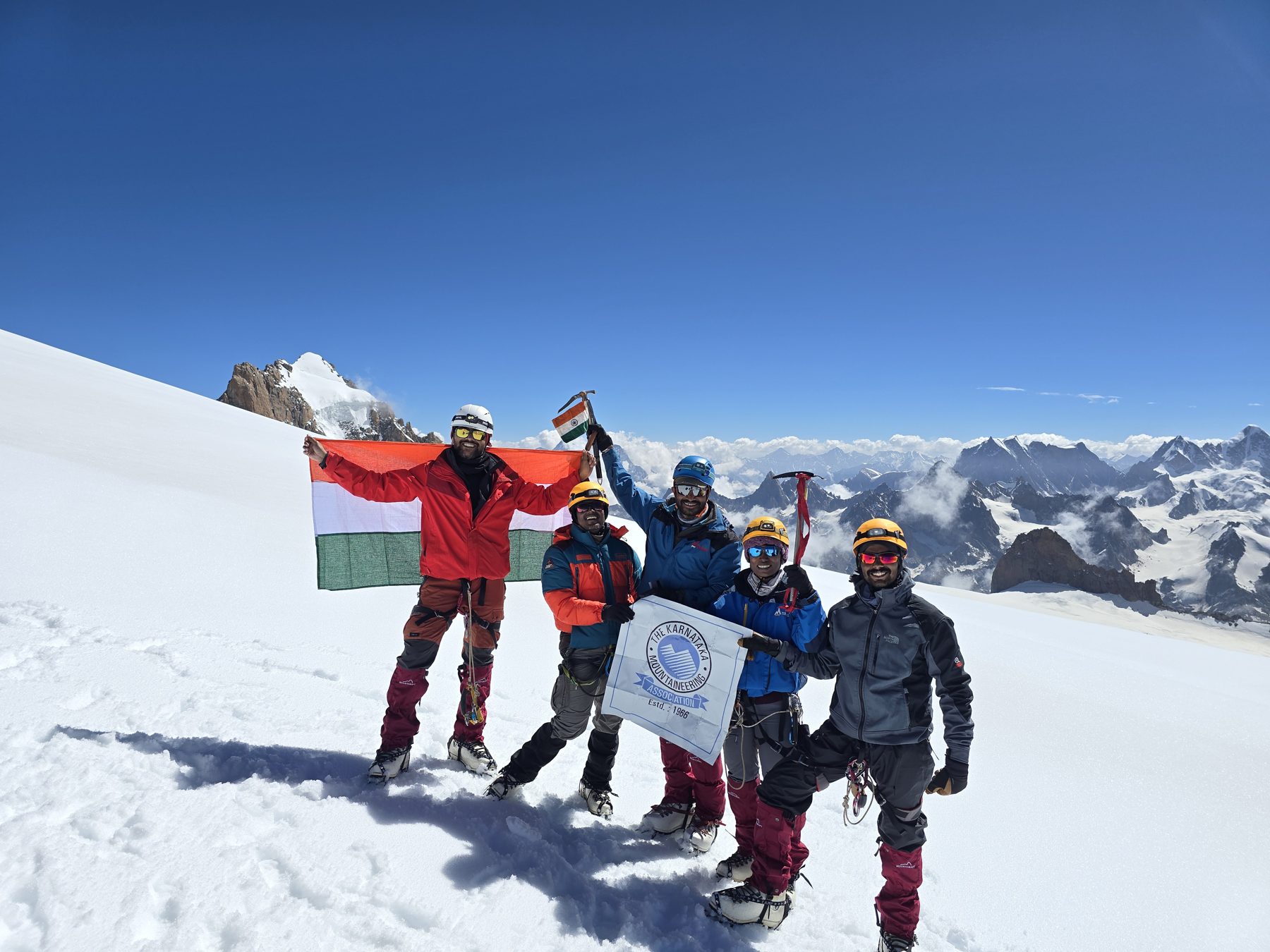
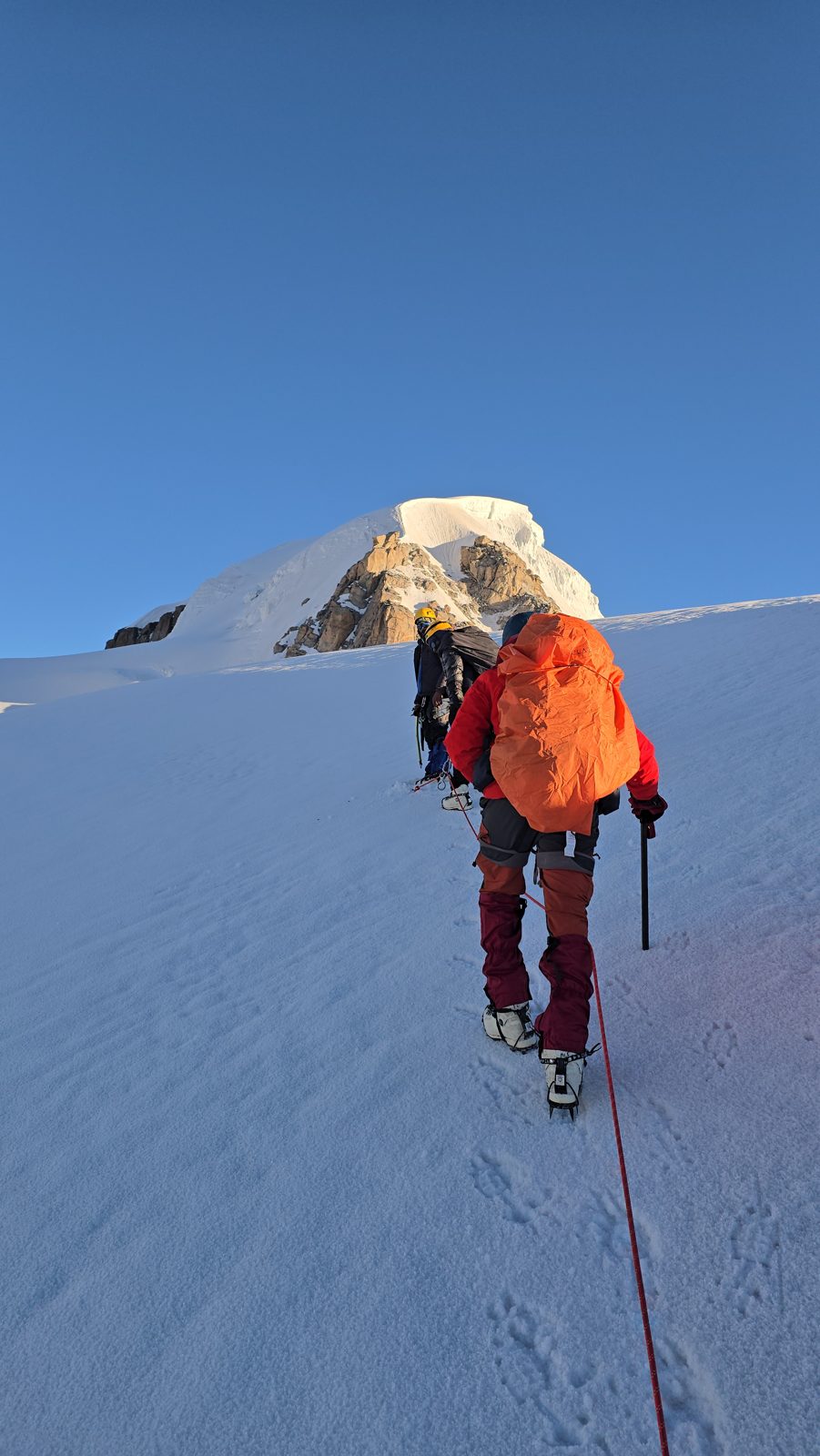
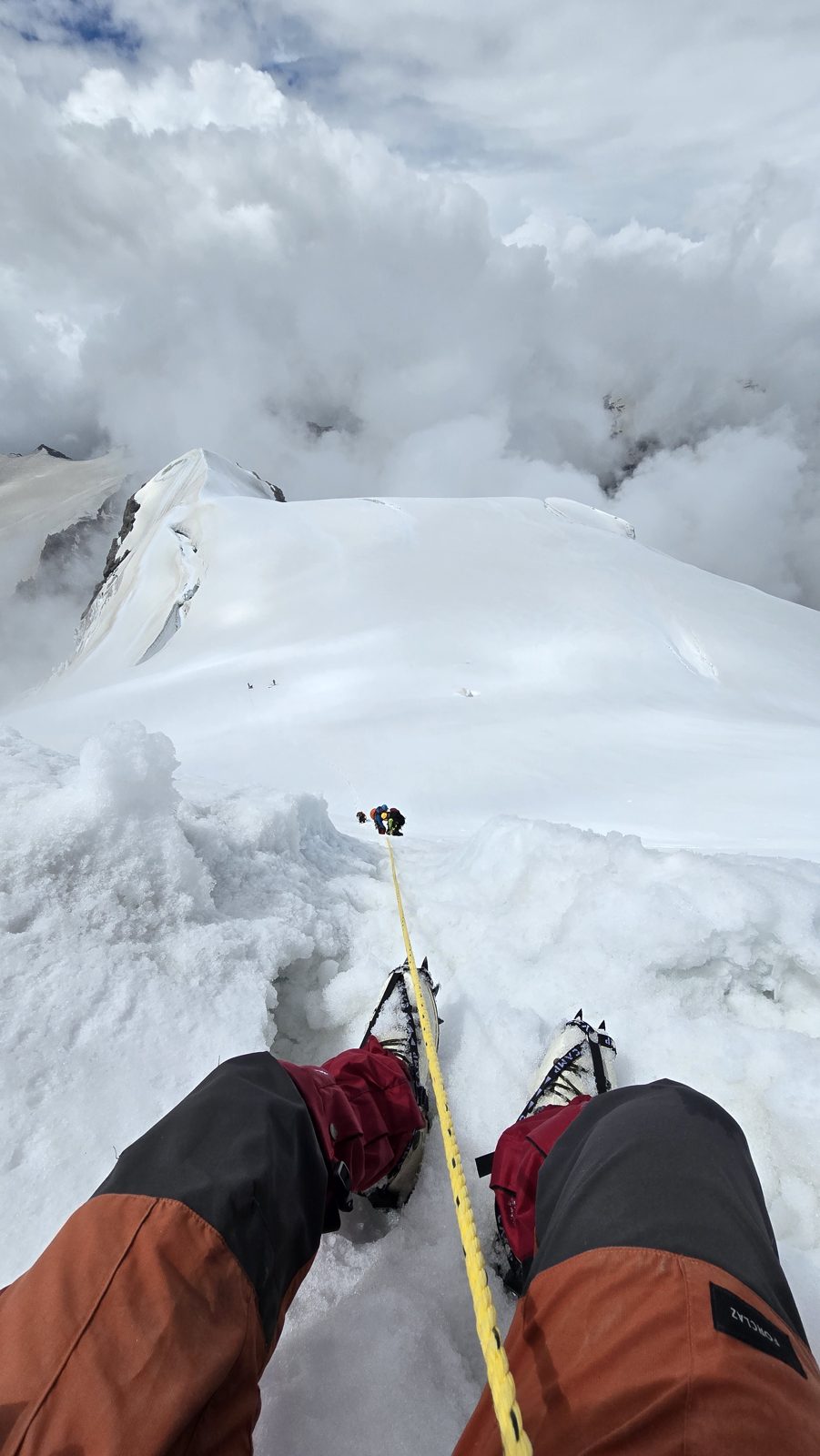
I'm a mountaineer. I've stood on Himalayan summits at sunrise after starting the climb at midnight — roped to a team, moving one careful step at a time through terrain where preparation decides everything.

It's the same discipline I bring to product work. Expeditions and enterprise platforms both reward honest risk assessment, ruthless prioritisation of what you carry, and trust built across a rope team that may not share your language — but shares your goal.

Off the mountain: football, tennis and fitness keep me sharp; UI/UX keeps me curious. I'm based in Stuttgart and speak English (native), German (professional, B2), Kannada (native) and Hindi (fluent).

Route planning — outcome-based roadmaps: pick the line, commit, adapt when the weather changes
Rope team leadership — cross-functional teams across 5 countries, aligned without hierarchy
Acclimatisation — continuous discovery: small validated steps before the big push
Summit discipline — knowing when to ship, and when turning back is the right product decision
Contact

Let's climb something together

Looking for a Product Manager who pairs enterprise-grade delivery with user-centred design? Available from 1 July 2026 — Stuttgart, Berlin or Munich.

English · German (B2) · Kannada · Hindi